
What Is Specialized & Add-on Training?
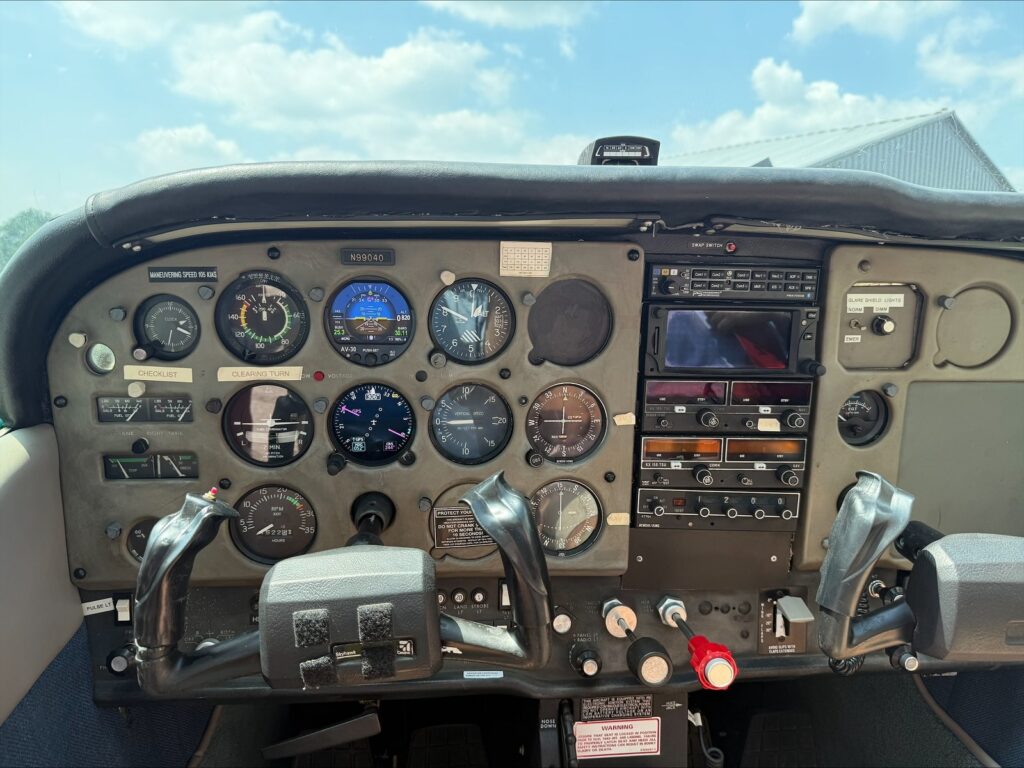
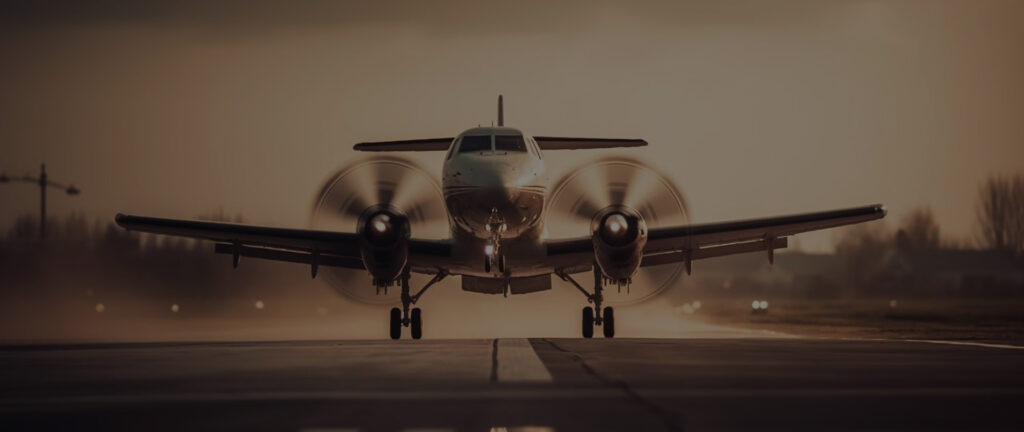
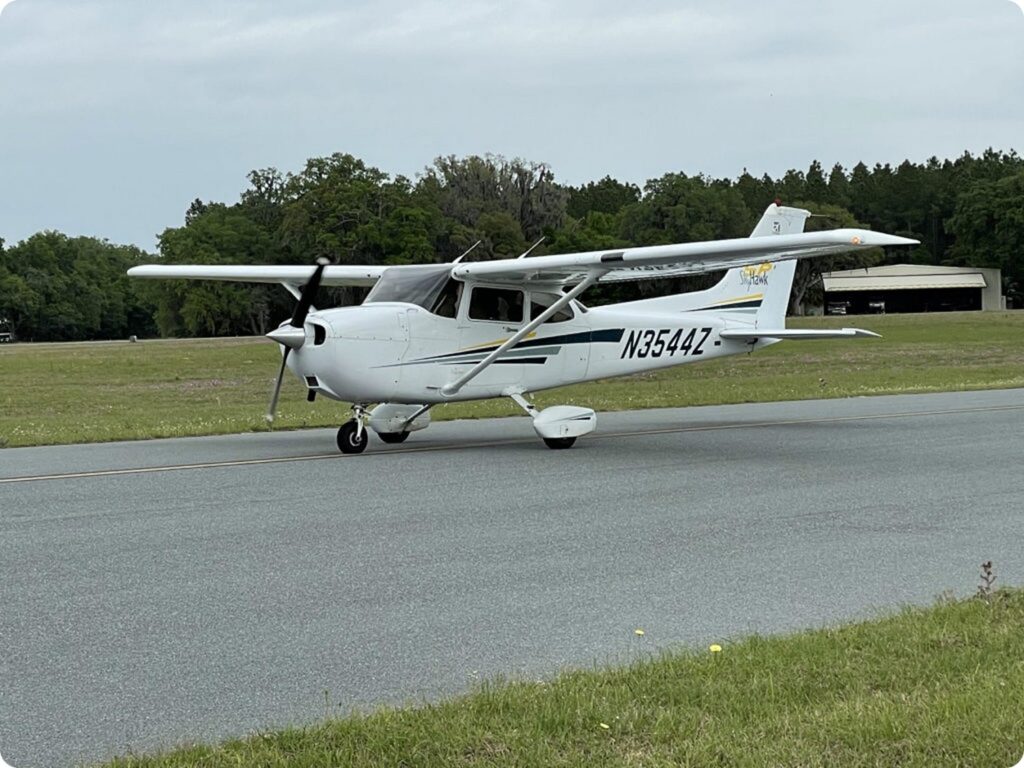
Specialized and add-on training allows licensed pilots to expand their privileges and master specific aircraft types. These programs focus on technical endorsements—like tailwheel or high-performance—and unique categories like gliders. It’s the essential next step for aviators looking to sharpen their stick-and-rudder skills and unlock new flying opportunities.

FAA-certified instructors

Modern aircraft fleet

Individualized flight plans

Flexible scheduling
Why Choose Kool Wings Academy?
Our approach combines hands-on experience, modern technology, and personalized mentorship — helping every student build the confidence to take control of the sky.
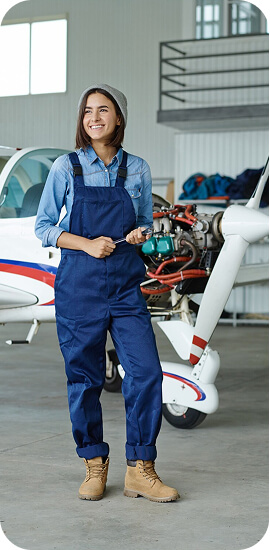
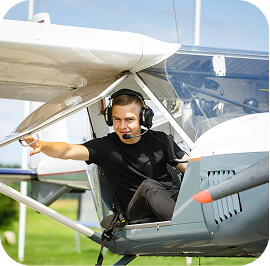
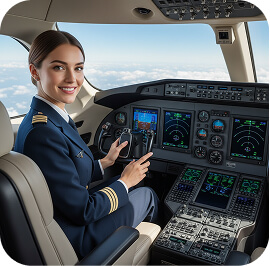
1. Early Training Access
Start as young as 14 with our Sport Pilot-Glider program.
2. Well maintained Fleet
Train in reliable, well-maintained aircraft including Light Sport Motorized Gliders.
3. Flexible Learning
Schedule lessons that fit your availability.
4. Safety First
We maintain the highest safety standards in every flight.
5. Experienced Instructors
Learn from certified flight professionals passionate about teaching.
Our Specialized & Add-on Training Programs
Our approach combines hands-on experience, modern technology, and personalized mentorship — helping every student build the confidence to take control of the sky.
What Our Students Say

Candi Duncan
Private Pilot Certificate
Flying for KoolWings has been an incredible experience. The instructors are knowledgeable, patient and truly invest in the success of their students. … See

Michael Mann
Private Pilot Certificate
A very caring company put together by pilots for pilots. I had been out of the cockpit for almost 20 years and Kool Wings Academy (KWA) got me back … See

Albert Flores
Private Pilot Certificate
Learn from certified flight instructors with thousands of hours of experience and a passion for teaching. The program is structured, professional, … See
Frequently Asked Questions
Get answers to the most common questions about our services and process.
How old do I need to be to start training?
You can begin flight training at any age, but to solo and earn specific certificates, the FAA sets minimum age requirements:
- Light Sport Glider: You can solo at 14 years old and earn your certificate at 16.
- Sport Pilot Certificate: Minimum solo age is 16, and you can be certified at 17.
- Private Pilot License (PPL): You can solo at 16 and receive your license at 17.
At Kool Wings Academy, our Light Sport Glider program allows students to start earlier than most flight schools — making it the perfect way for young aspiring pilots to begin their aviation journey.
Do I need any prior experience?
No prior flight experience is required. Many students begin with zero time in an aircraft.
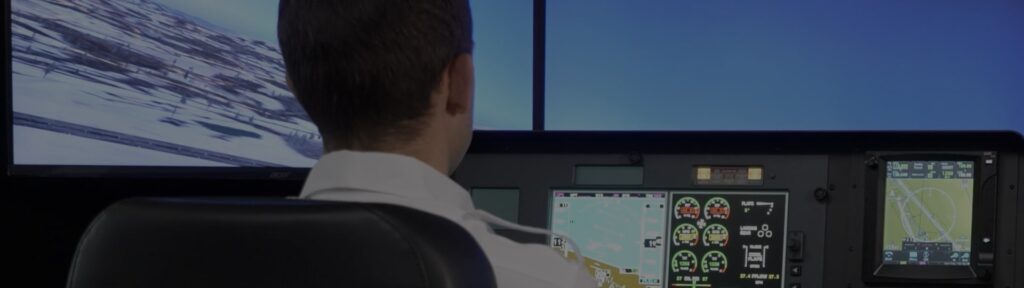
Training is designed to introduce new concepts gradually, starting with the fundamentals of how an airplane operates and progressing as your knowledge and skills develop. You’ll work with a certified flight instructor and use a combination of flight time, simulator sessions, and ground instruction.
Progress in flight training varies from person to person. Factors such as study habits, frequency of training, aptitude, and consistency all play a role in how quickly you advance.
To get started, you should be prepared to:
- Learn new technical concepts
- Follow instruction carefully
- Commit time and effort both in and outside of lessons
While no experience is needed, successful training does require dedication, discipline, and active participation.
How long does it take to earn a pilot certificate?
The timeline depends largely on your schedule, consistency, and how often you train.
Students who fly several times per week and stay consistent with their studies typically progress more efficiently than those with long gaps between lessons. Interruptions in training can slow progress, since skills and knowledge may need to be reviewed before moving forward.
The Federal Aviation Administration sets minimum training requirements, but most students require additional time beyond those minimums to become proficient and prepared for their checkride.
Because of these variables, there isn’t a one-size-fits-all timeline. Staying consistent, studying regularly, and training frequently are the biggest factors in moving through your training as efficiently as possible.
Can I continue training toward commercial licenses after this?
Yes. After your initial certificate, you can continue toward advanced ratings and commercial pilot licenses.
Have Questions About Flight Training?
Get in touch with our admissions team — we’ll help you choose the right path and schedule your first flight.