
Drone Certification (Part 107)
This program prepares you for the FAA Part 107 Remote Pilot Certificate, which is required for any commercial drone operation.
The Future of Flight: Drone Certification (Part 107)
Enter the rapidly growing world of Unmanned Aircraft Systems (UAS) with the KoolWings Academy Drone Certification course. This program prepares you for the FAA Part 107 Remote Pilot Certificate, which is required for any commercial drone operation. At KoolWings Academy, we cover everything from airspace classifications to small UAS loading and performance. Whether you want to start a drone photography business or work in industrial inspection, KoolWings Academy provides the technical and regulatory knowledge to operate safely and legally in the national airspace. Stay ahead of the curve with our professional drone training.
With a Drone Certification (Part 107), you can:
- Operate drones commercially for monetary gain.
- Work in real estate, mapping, or cinematography.
- Fly legally in controlled and uncontrolled airspace.
- Act as a professional Remote Pilot-in-Command.

What You’ll Learn

Airspace Classification
Learn where you can and cannot fly drones at KoolWings Academy.

Weather Effects on UAS
Study how wind and density altitude affect small drone performance.

Radio Communications
Understand how to monitor local airport frequencies for safe operations.

Maintenance and Inspection
Develop a pre-flight routine for your drone fleet at KoolWings Academy.

Operational Rules
Master the legal limits on altitude, speed, and nighttime operations.

Emergency Procedures
Learn how to handle link loss and battery failures safely.
How Your Training Is Structured
Ground School Training
Covers aerodynamics, regulations, airspace, navigation, and weather. Prepares students for FAA written exam.
Dual Flight Instruction
Hands-on flight training with Certified Flight Instructor.
Solo Flight
Gain real-world confidence through supervised solo flight once training milestones are met.
Cross-Country Training
Navigation flights between airports managing fuel and airspace.
Check Ride Preparation
Final preparation for FAA oral and practical exam.
Requirements
FAA eligibility standards to begin and complete certification.

Age 16–17
Be at least 16 years of age.

Personal Condition
Be in a physical/mental condition to fly safely.

Pass Test
Pass the “Unmanned Aircraft General” (UAG) knowledge test.

Screening
Pass a TSA background security screening process.
The Kool Wings Difference
Ready to escape the ordinary? Kool Wings Academy is creating a new path to the skies. We’ve designed unique programs—found only in the Midwest—that make learning to fly more efficient and affordable than ever before.rnrnYour journey to the pilot’s seat starts here.


Fastest Track to the Skies
Kool Wings Academy offers a streamlined path to becoming a licensed Sport Pilot–Glider* — one of the most efficient training programs in the Midwest.
*Our Sport Pilot-Glider training follows FAA requirements, with total training time varying based on student proficiency and training frequency.
Hands-On From Day One
Opportunity to take the controls during your discovery flight with a certified instructor guiding you every step of the way.
Smart Scheduling
Book, track, and manage lessons online with Flight Schedule Pro, trusted by 1,300+ flight schools.
Personalized Training Paths
From first-time flyers to aspiring commercial pilots, we design a pathway tailored to your goals.
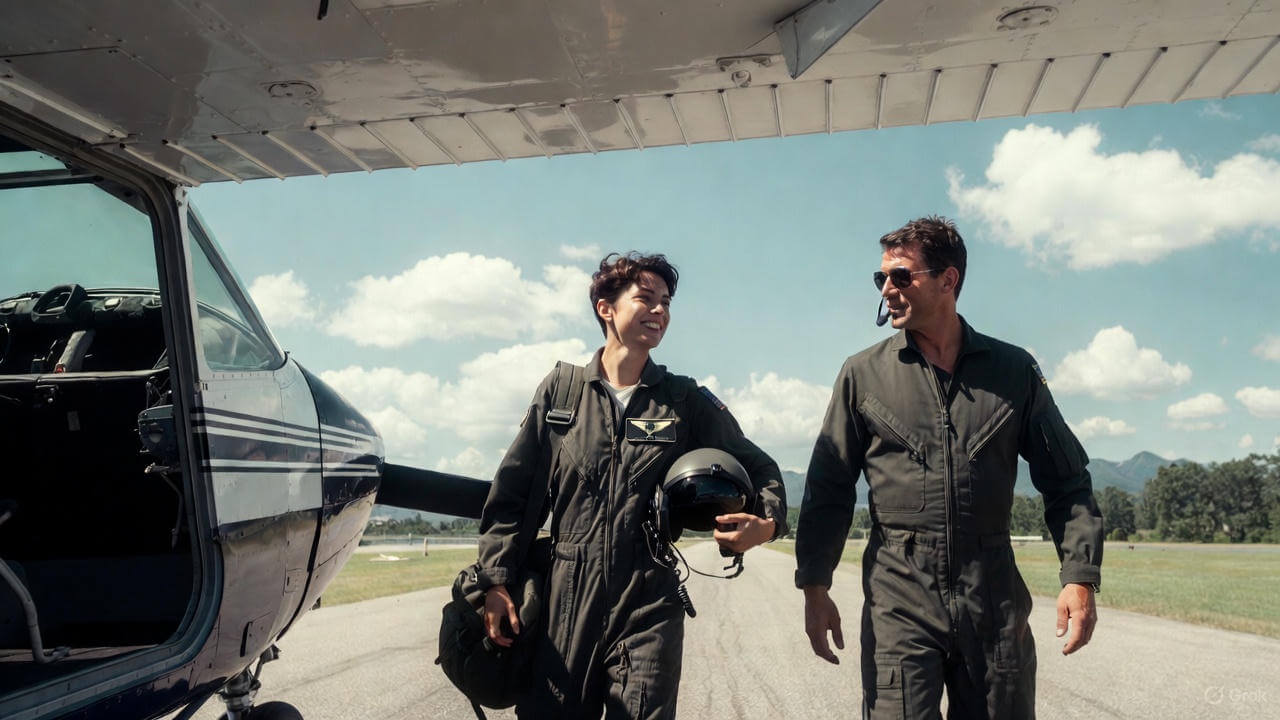
Frequently Asked Questions
Get answers to the most common questions about our services and process.
How old do I need to be to start training?
You can begin flight training at any age, but to solo and earn specific certificates, the FAA sets minimum age requirements:
- Light Sport Glider: You can solo at 14 years old and earn your certificate at 16.
- Sport Pilot Certificate: Minimum solo age is 16, and you can be certified at 17.
- Private Pilot License (PPL): You can solo at 16 and receive your license at 17.
At Kool Wings Academy, our Light Sport Glider program allows students to start earlier than most flight schools — making it the perfect way for young aspiring pilots to begin their aviation journey.
Do I need any prior experience?
No prior flight experience is required. Many students begin with zero time in an aircraft.
Training is designed to introduce new concepts gradually, starting with the fundamentals of how an airplane operates and progressing as your knowledge and skills develop. You’ll work with a certified flight instructor and use a combination of flight time, simulator sessions, and ground instruction.
Progress in flight training varies from person to person. Factors such as study habits, frequency of training, aptitude, and consistency all play a role in how quickly you advance.
To get started, you should be prepared to:
- Learn new technical concepts
- Follow instruction carefully
- Commit time and effort both in and outside of lessons
While no experience is needed, successful training does require dedication, discipline, and active participation.
How long does it take to earn a pilot certificate?
The timeline depends largely on your schedule, consistency, and how often you train.
Students who fly several times per week and stay consistent with their studies typically progress more efficiently than those with long gaps between lessons. Interruptions in training can slow progress, since skills and knowledge may need to be reviewed before moving forward.
The Federal Aviation Administration sets minimum training requirements, but most students require additional time beyond those minimums to become proficient and prepared for their checkride.
Because of these variables, there isn’t a one-size-fits-all timeline. Staying consistent, studying regularly, and training frequently are the biggest factors in moving through your training as efficiently as possible.
Can I continue training toward commercial licenses after this?
Yes. After your initial certificate, you can continue toward advanced ratings and commercial pilot licenses.