
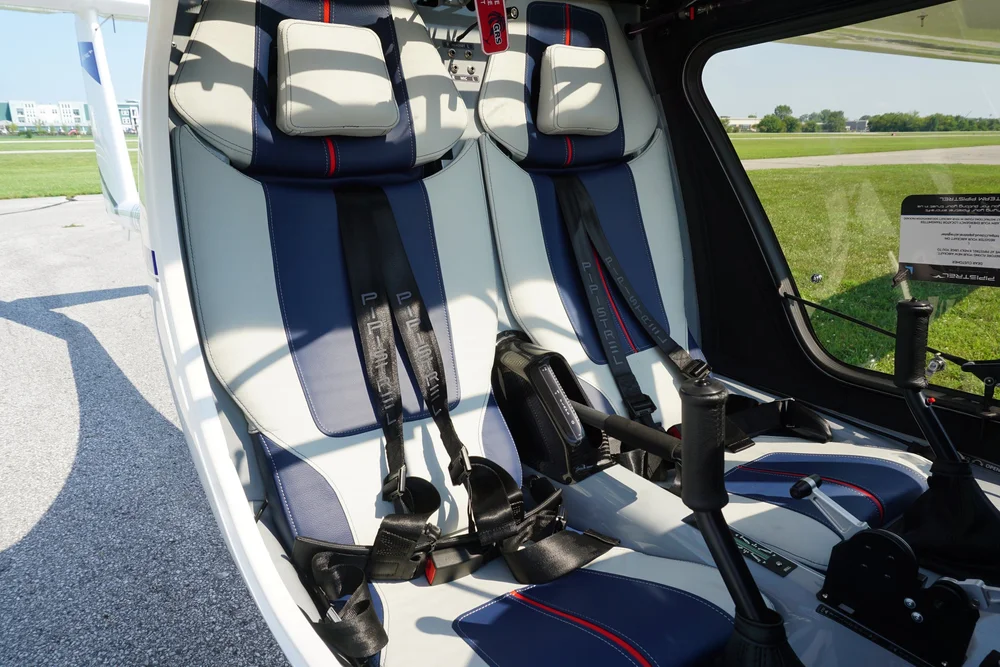
Runway Ready
A preparatory program built to strengthen foundational skills before full flight training begins.
Private Pilot Ground School
An entry-level aviation course covering aircraft systems, airspace, weather, and flight theory.

Instrument Ground School
Join us for a 8-week aviation ground school designed for a deep dive into IFR flight operations.
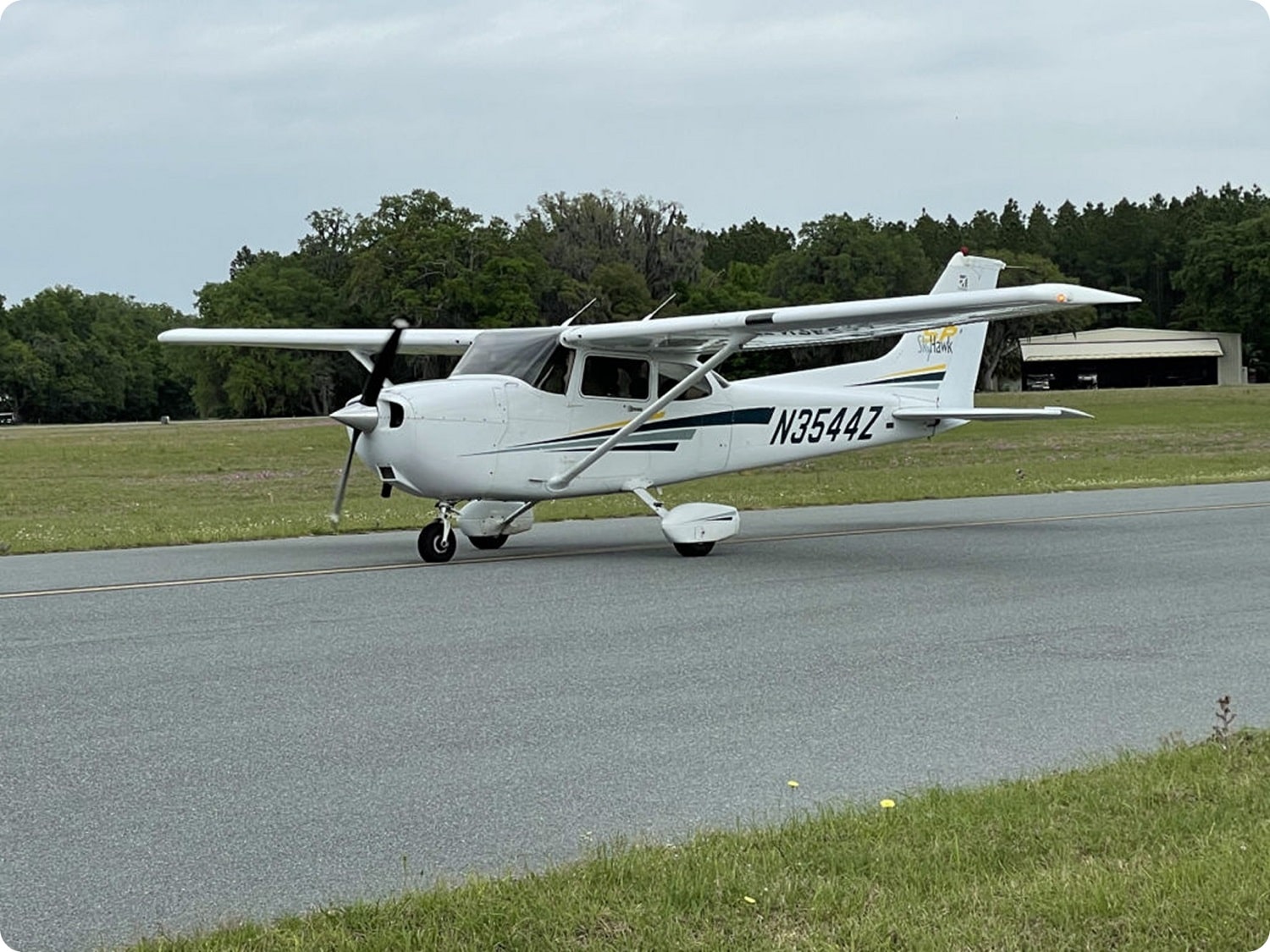
Discovery Flights - 60 Minutes
Enjoy a perfect first flight experience with a certified flight instructor and feel the excitement of flying for the very...
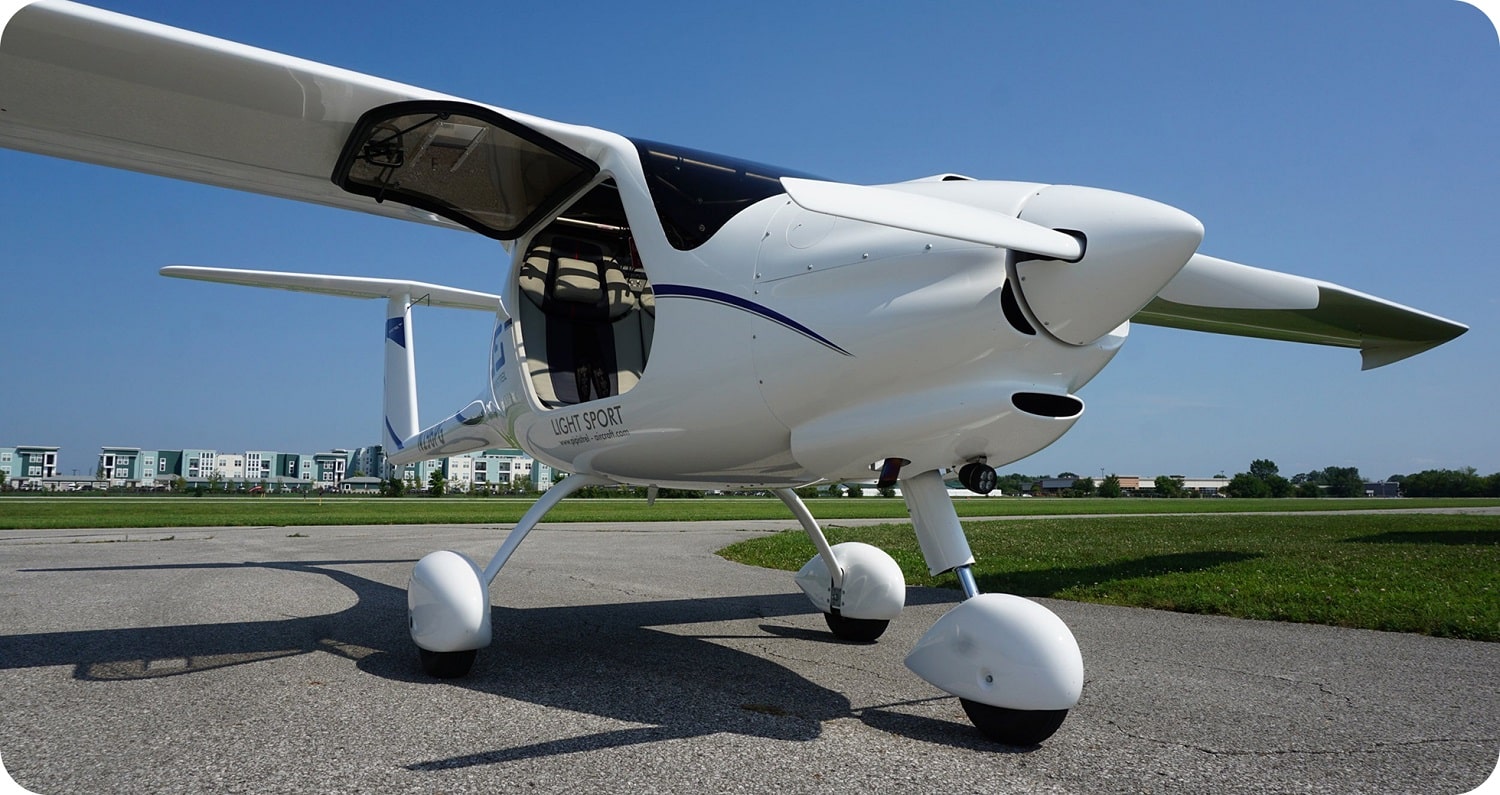
Discovery Flights - 90 Minutes
An extended discovery flight offering more in-air instruction and deeper engagement at the controls.
Frequently Asked Questions
Get answers to the most common questions about our services and process.
How old do I need to be to start training?
You can begin flight training at any age, but to solo and earn specific certificates, the FAA sets minimum age requirements:
- Light Sport Glider: You can solo at 14 years old and earn your certificate at 16.
- Sport Pilot Certificate: Minimum solo age is 16, and you can be certified at 17.
- Private Pilot License (PPL): You can solo at 16 and receive your license at 17.
At Kool Wings Academy, our Light Sport Glider program allows students to start earlier than most flight schools — making it the perfect way for young aspiring pilots to begin their aviation journey.
Do I need any prior experience?
No prior flight experience is required. Many students begin with zero time in an aircraft.
Training is designed to introduce new concepts gradually, starting with the fundamentals of how an airplane operates and progressing as your knowledge and skills develop. You’ll work with a certified flight instructor and use a combination of flight time, simulator sessions, and ground instruction.
Progress in flight training varies from person to person. Factors such as study habits, frequency of training, aptitude, and consistency all play a role in how quickly you advance.
To get started, you should be prepared to:
- Learn new technical concepts
- Follow instruction carefully
- Commit time and effort both in and outside of lessons
While no experience is needed, successful training does require dedication, discipline, and active participation.
How long does it take to earn a pilot certificate?
The timeline depends largely on your schedule, consistency, and how often you train.
Students who fly several times per week and stay consistent with their studies typically progress more efficiently than those with long gaps between lessons. Interruptions in training can slow progress, since skills and knowledge may need to be reviewed before moving forward.
The Federal Aviation Administration sets minimum training requirements, but most students require additional time beyond those minimums to become proficient and prepared for their checkride.
Because of these variables, there isn’t a one-size-fits-all timeline. Staying consistent, studying regularly, and training frequently are the biggest factors in moving through your training as efficiently as possible.
Can I continue training toward commercial licenses after this?
Yes. After your initial certificate, you can continue toward advanced ratings and commercial pilot licenses.